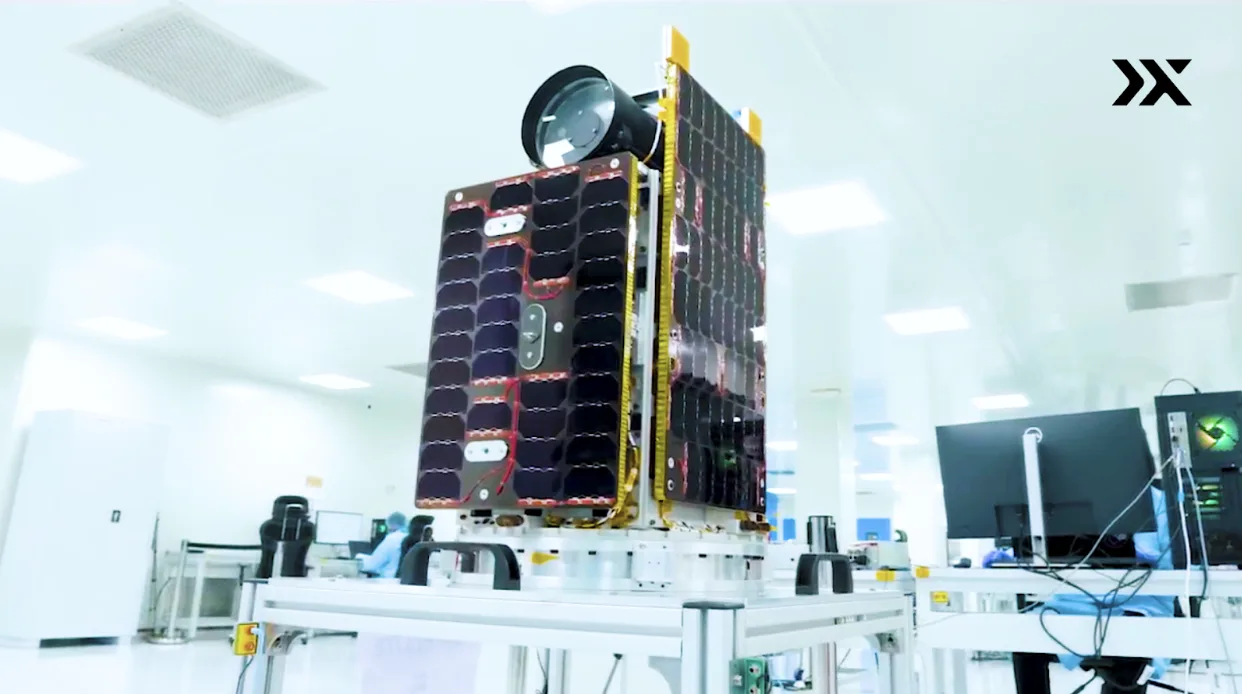
Firefly
Pixxel's first six hyperspectral satellites, which split light into well over a hundred narrow color bands at 5-meter resolution to identify materials on the ground.
Why it matters
Each material reflects light with its own spectral fingerprint. Seeing those fingerprints from orbit helps track vegetation health, water quality, oil spills and pollution that ordinary color images miss.
How the technology works
Firefly satellites image a strip about 40 km wide and record over 150 spectral bands at 5-meter resolution, according to Pixxel. The first three launched in January 2025, and Pixxel says six are now in orbit.
Sources
Updated Oct 22, 2026 · How we source facts · Suggest a correction