LINK
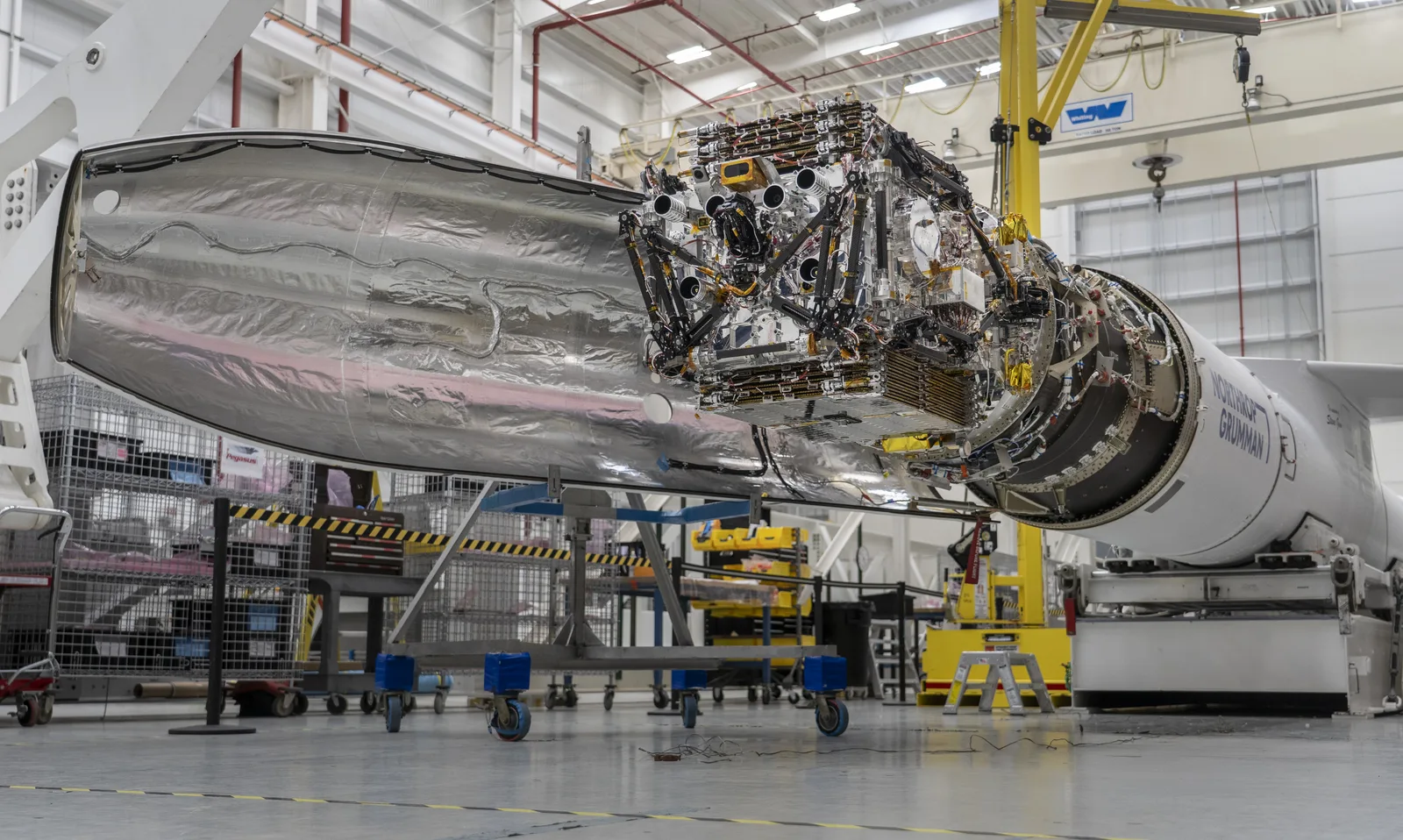
Robotic servicer Katalyst had about a year to design, build, test and launch to catch NASA's Swift telescope and push it higher. It launched in July 2026 but control problems stopped the capture, and it re-entered in September 2026.
Why it matters
Atmospheric drag, worsened by a spell of high solar activity, was pulling Swift down fast enough that it would have re-entered by the end of 2026. The mission showed how quickly a commercial rescue of a government satellite could be attempted, and also how hard it is.
How the technology works
LINK carried three robotic arms to grab Swift and a xenon-powered propulsion system to raise its orbit. After launch on Pegasus XL it suffered intermittent communication losses and orientation-control problems, so NASA scaled the mission back to demonstrations of its thruster and arms.