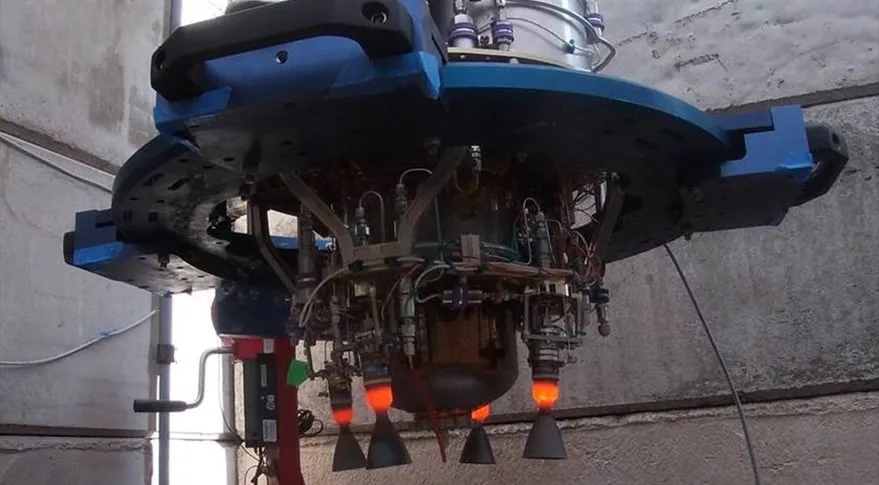
Halcyon
Chemical thrusters for small satellites that run on high-test hydrogen peroxide, a less toxic fuel than the hydrazine many satellites use.
Why it matters
Hydrazine is toxic and needs special handling, which adds cost and delay. A safer fuel with real thrust lets small satellites raise orbits, rendezvous with other spacecraft or steer a capsule back to Earth.
How the technology works
The standard Halcyon runs as a monopropellant at 1 to 10 newtons per thruster. Halcyon Avant is a bipropellant version at about 20 newtons.
Benchmark says it has built more than 150 thrusters, and it has supplied propulsion for Varda's reentry capsule missions.
Sources
Updated Oct 22, 2026 · How we source facts · Suggest a correction