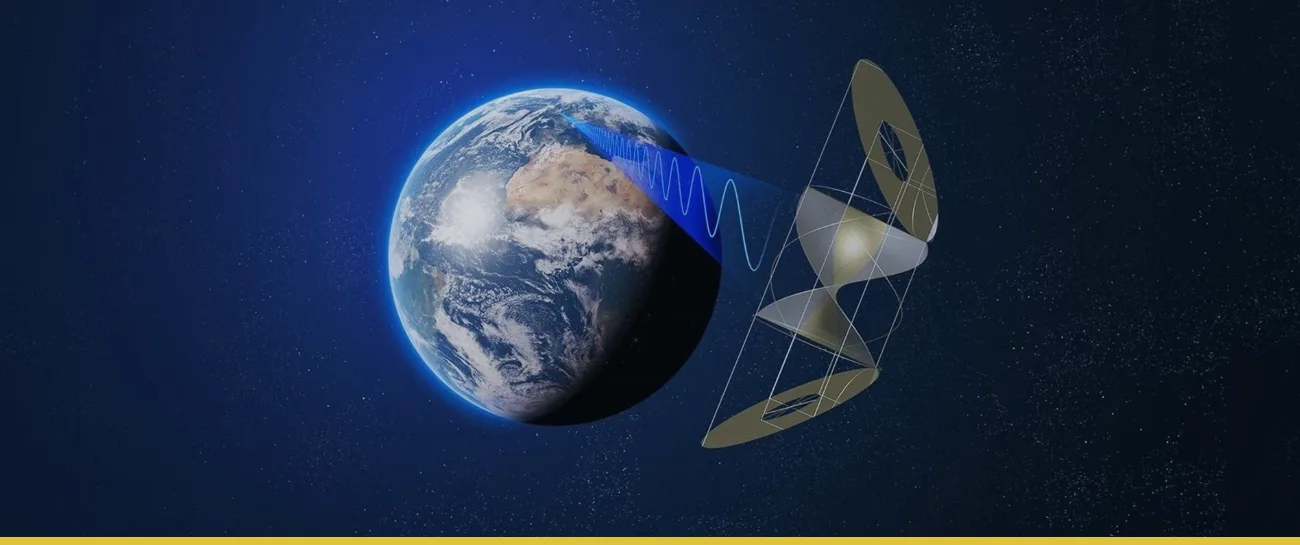
CASSIOPeiA
Space Solar's proposed solar power satellite for geostationary orbit, which would collect sunlight and beam it by radio to receivers on the ground around the clock.
Why it matters
In geostationary orbit a solar array sees the Sun almost all the time, so one satellite could feed the grid day and night. The hard parts are cost and a transmitter that can keep pointing at Earth while the panels track the Sun, which HARRIER is meant to solve.
How the technology works
The design is modular and uses concentrating photovoltaics. Its HARRIER transmitter is a retrodirective phased array that steers its beam electronically in any direction, avoiding the large rotating joint most designs need.
The 0.5 m HARRIER demonstrator is meant to scale to a 1.7 km system delivering gigawatts. No launch dates have been given.
Sources
Updated Oct 22, 2026 · How we source facts · Suggest a correction