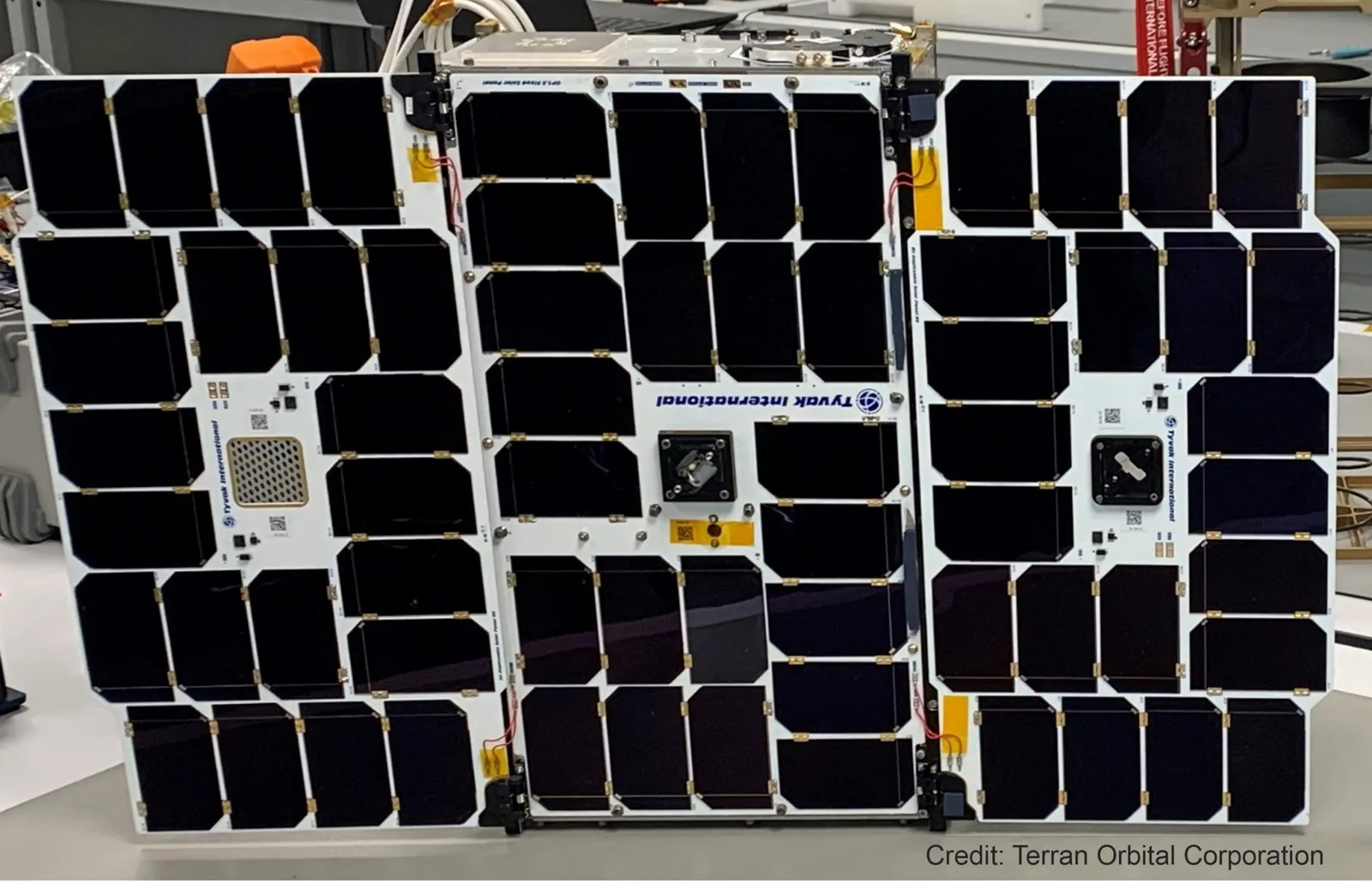
CICERO satellites
GeoOptics' small radio occultation satellites, which measure the atmosphere and ionosphere by tracking how navigation signals bend.
Why it matters
Radio occultation data improves weather forecasts and space-weather monitoring, and NOAA now buys it from private operators instead of relying only on government missions.
How the technology works
As a navigation satellite drops below the horizon, its signal passes through more and more atmosphere. Measuring the signal's bending and delay yields temperature, humidity and ionospheric electron profiles.
Sources
Updated Oct 22, 2026 · How we source facts · Suggest a correction