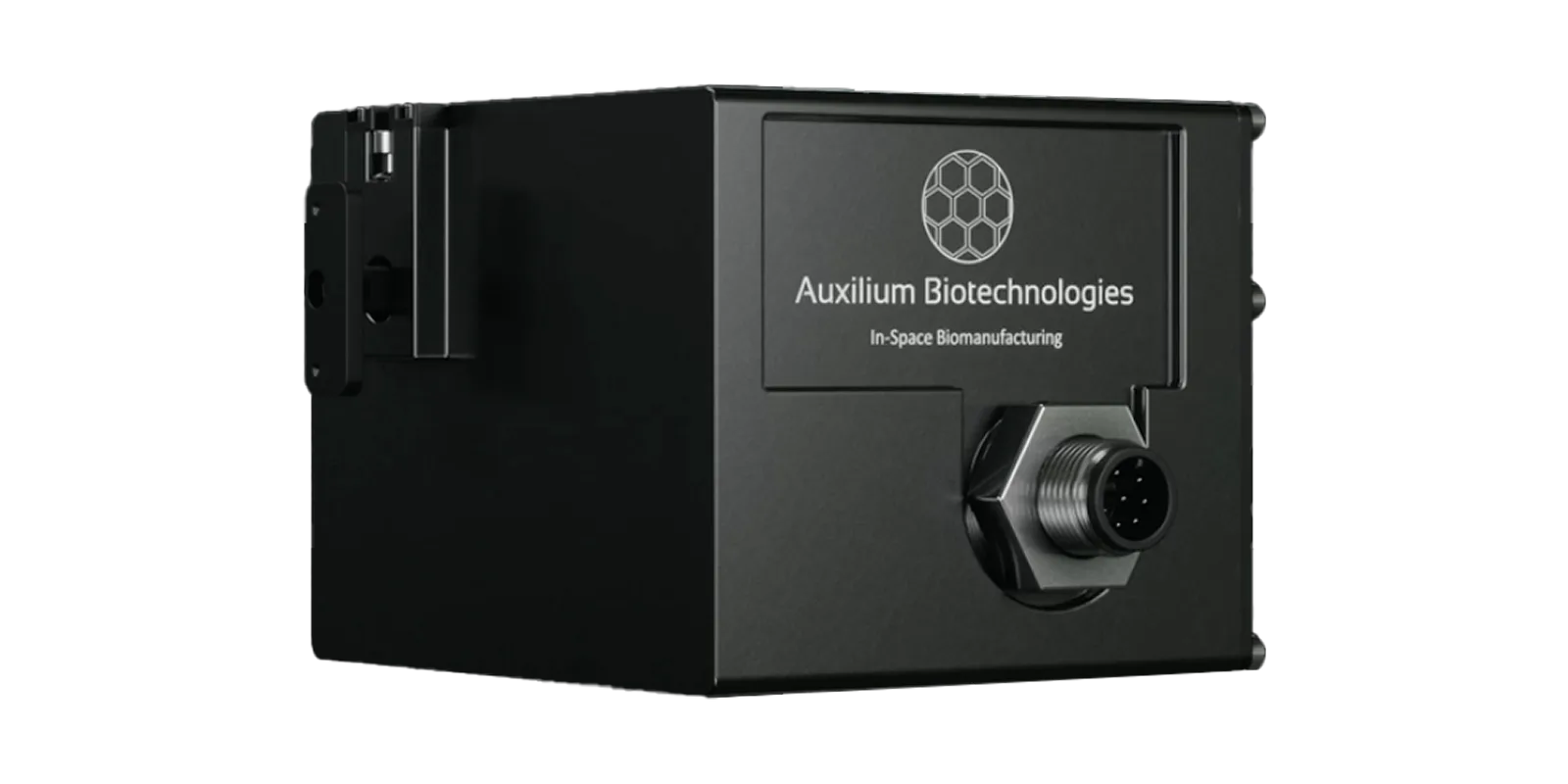
AMP-1 (Auxilium Microfabrication Platform)
3D bioprinter on the ISS that has printed nerve-repair implants plus liver, kidney and cartilage tissue in orbit.
Why it matters
On Earth, gravity makes the particles in a printed nerve implant settle unevenly and printed cells can collapse. In microgravity they stay evenly spread and hold their shape, which could make better nerve implants and engineered tissue.
How the technology works
AMP-1 prints from cartridges of bio-ink, and switching the cartridge changes what it makes. The printer stays on the station, ready for new print orders when cartridges are restocked.
On its first six-week mission it used all 20 cartridges and also printed perfusable vasculature.
Sources
Updated Oct 22, 2026 · How we source facts · Suggest a correction